Each person seems to have their unique opinion in relation to 10 Reasons for Low Water Pressure in Your House.
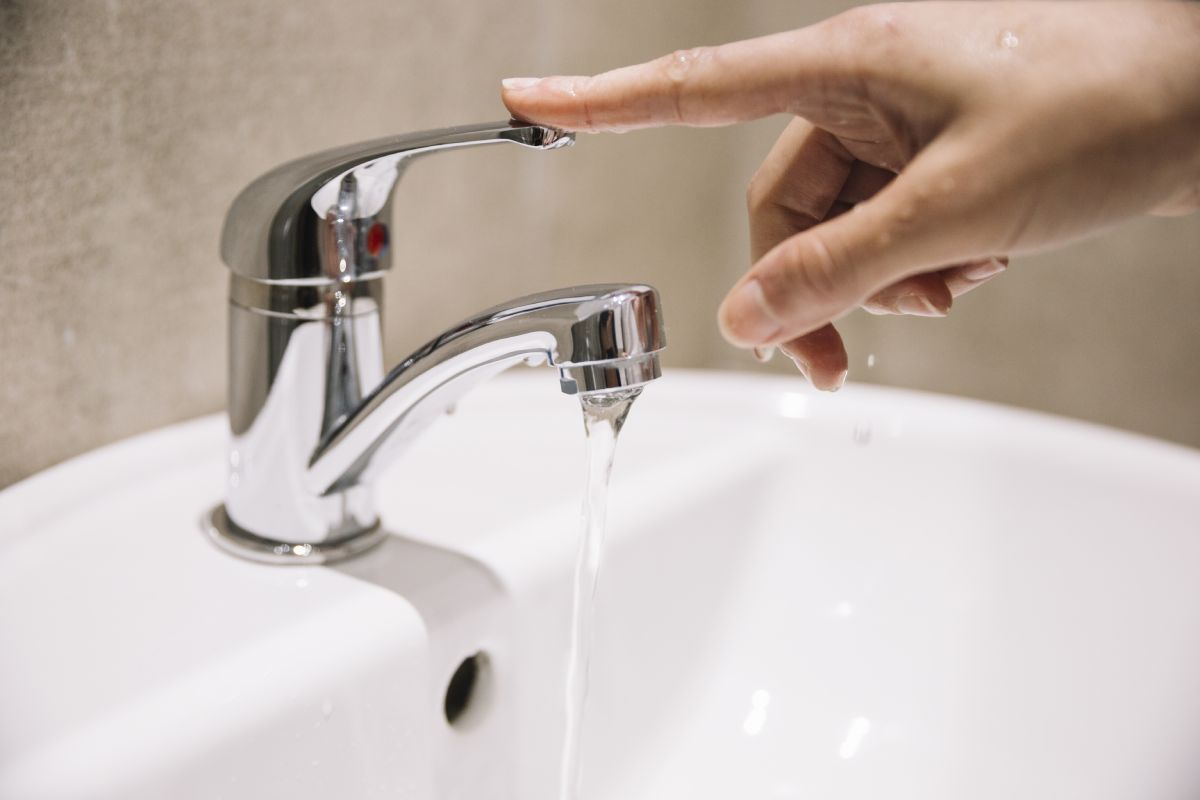
Low water pressure in your house can be an irritating problem, influencing whatever from bathing to washing dishes. If you're experiencing weak water circulation, there are several possible causes and remedies to explore. In this overview, we'll review usual factors for low water stress and practical steps to resolve the issue effectively.
Intro to Low Tide Pressure
Low water pressure occurs when the circulation of water from your faucets, showers, and other components is weak than typical. This can make daily jobs more challenging and much less efficient. Recognizing the sources of low tide stress is essential to locating the right option.
Common Root Causes Of Low Water Pressure
Pipe Obstructions
With time, pipes can come to be clogged with mineral deposits, debris, or particles, restricting the flow of water. This is a typical issue in older homes with galvanized steel pipes.
Corrosion
Corrosion within pipelines can lead to leaks and minimized water pressure. Corrosion build-up can constrict water flow, especially in aging plumbing systems.
Faulty Stress Regulatory Authorities
Stress regulators are in charge of preserving constant water stress in your home. If they malfunction, it can cause low tide stress or irregular flow throughout the house.
Community Water Issues
In some cases, the problem lies outside your home. Local water system problems, such as main line leaks or maintenance job, can briefly decrease water stress in your area.
Just How to Identify Low Water Stress
Checking Faucets and Components
Beginning by testing the water stress at various faucets and fixtures throughout your home. If the issue is separated to details areas, it may show localized problems.
Examining Pipelines
Examine noticeable pipes for signs of leakages, corrosion, or clogs. Take note of any kind of uncommon audios, such as knocking or rattling pipelines, which might show issues within the plumbing system.
Consulting with a Plumber
If you're not able to pinpoint the root cause of low tide stress, consider hiring an expert plumber to carry out a comprehensive assessment. They can identify underlying issues and recommend suitable options.
DIY Solutions to Take Care Of Low Water Pressure
Cleaning Aerators and Showerheads
Mineral deposits can accumulate in aerators and showerheads, reducing water flow. Eliminate and clean these elements on a regular basis to enhance water pressure.
Flushing Water Heater
Debris buildup in the water heater can restrict circulation and decrease performance. Purging the storage tank regularly assists remove debris and preserve ideal performance.
Examining Pressure Regulatory Authority
Make sure that the stress regulator is working appropriately. Changing or changing the regulatory authority can help restore proper water pressure throughout your home.
Clearing Up Clogs in Pipes
For minor blockages, attempt using a plumbing serpent or chemical drain cleaner to clear obstructions in pipes. Beware when making use of chemicals and comply with security standards.
When to Call a Specialist Plumber
If DIY efforts fail to settle the issue or if you suspect substantial plumbing troubles, it's ideal to look for help from a certified plumber. They have the experience and devices to deal with complex concerns safely and effectively.
Safety Nets to Maintain Water Pressure
Normal Maintenance
Schedule routine upkeep for your plumbing system to stop concerns such as corrosion, leaks, and clogs. Resolving small problems early can assist avoid more significant repairs later.
Installing a Stress Booster
Think about mounting a pressure booster pump to enhance water stress in areas with regularly reduced flow. This can be especially beneficial for multi-story homes or homes with high-demand components.
Surveillance Water Use
Be mindful of water usage practices and avoid ill-using the plumbing system. Basic modifications, such as incredible showers and laundry tons, can help preserve ample water pressure.
Final thought
Taking care of low tide pressure can be discouraging, yet identifying the underlying reasons and executing suitable solutions can recover ideal circulation throughout your home. Whether it's cleansing aerators, evaluating pipelines, or talking to a plumber, taking proactive steps can make certain a steady supply of water for your daily needs.
FOUR WAYS TO FIX LOW WATER PRESSURE NOW
Turning on a shower or faucet only to find the water comes out in a sad, slow drizzle is never a good feeling. How exactly are you supposed to wash a pan or take a quick shower when it takes 10 minutes just to rinse off a little soap? The good news is that when your water pressure is bad, there's always a cause: typically one that can be easily fixed. Here are some of the most common causes of low pressure and what you can do to fix the issue:
DEBRIS AND MINERAL DEPOSIT BUILDUPS
If you notice low water pressure from just one or two of the fixtures in your house, the problem likely has to do with debris buildup. Water is full of minerals and other debris, all of which can accumulate in your pipes and on your fixtures. This can cause a blockage that affects how much water flows through. To fix this, try filling a small plastic bag with white vinegar, and use a rubber band to hang it around your showerhead or faucet. Let the head of the fixture soak for a few hours, and the vinegar should loosen the deposits.
WATER LEAKS
Leaks are another common cause of low water pressure. If water is flowing out of your plumbing through a hole or crack before it can reach your fixture, the pressure coming out of the faucet or showerhead will be lower. A plumbing professional is your best bet for finding and repairing a leak in your water supply pipes.
Leaks are another common cause of low water pressure. If water is flowing out of your plumbing through a hole or crack before it can reach your fixture, the pressure coming out of the faucet or showerhead will be lower. A plumbing professional is your best bet for finding and repairing a leak in your water supply pipes.
FOUR WAYS TO FIX LOW WATER PRESSURE NOW
Turning on a shower or faucet only to find the water comes out in a sad, slow drizzle is never a good feeling. How exactly are you supposed to wash a pan or take a quick shower when it takes 10 minutes just to rinse off a little soap? The good news is that when your water pressure is bad, there's always a cause: typically one that can be easily fixed. Here are some of the most common causes of low pressure and what you can do to fix the issue:
DEBRIS AND MINERAL DEPOSIT BUILDUPS
If you notice low water pressure from just one or two of the fixtures in your house, the problem likely has to do with debris buildup. Water is full of minerals and other debris, all of which can accumulate in your pipes and on your fixtures. This can cause a blockage that affects how much water flows through. To fix this, try filling a small plastic bag with white vinegar, and use a rubber band to hang it around your showerhead or faucet. Let the head of the fixture soak for a few hours, and the vinegar should loosen the deposits.
WATER LEAKS
Leaks are another common cause of low water pressure. If water is flowing out of your plumbing through a hole or crack before it can reach your fixture, the pressure coming out of the faucet or showerhead will be lower. A plumbing professional is your best bet for finding and repairing a leak in your water supply pipes.
Leaks are another common cause of low water pressure. If water is flowing out of your plumbing through a hole or crack before it can reach your fixture, the pressure coming out of the faucet or showerhead will be lower. A plumbing professional is your best bet for finding and repairing a leak in your water supply pipes.
A VALVE ISSUE
If you have low water pressure throughout your home, check your main shut-off valve to make sure it's completely open. You may also want to see if there's a pressure-reducing valve installed. If there is, have a plumber help you adjust the settings to get the pressure you're looking for.
OTHERS USING WATER
Believe it or not, your low water pressure could be caused by your neighbors. If you notice low pressure at certain times of day, it may be because you and the people living next to you have similar schedules - when everyone is showering at the same time, the pressure will be lower in every home. Low pressure throughout the neighborhood may also be caused by an issue with your municipal water supply. If that's the case, call the supplier to see if they're working on the issue.
https://www.rotorooter.com/blog/water-leaking/low-water-pressure-fixes/
Do you enjoy reading up on 4 Ways to Troubleshoot Low Water Pressure? Try leaving feedback down below. We will be happy to know your ideas about this write-up. In hopes that you visit us again in the near future. If you liked our blog entry plz don't forget to pass it around. Thank you so much for going through it.
Call