Do you find yourself interested in resources concerning What Can Happen If You Flush Food Down the Toilet??
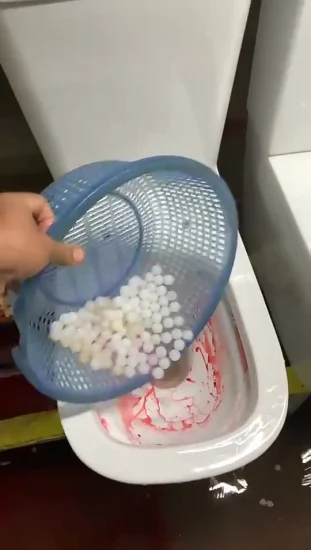
Intro
Lots of people are typically faced with the dilemma of what to do with food waste, specifically when it comes to leftovers or scraps. One common inquiry that develops is whether it's fine to flush food down the toilet. In this write-up, we'll look into the reasons why people may take into consideration purging food, the effects of doing so, and different approaches for appropriate disposal.
Reasons why individuals might consider flushing food
Lack of understanding
Some individuals might not be aware of the prospective damage brought on by purging food down the bathroom. They may incorrectly believe that it's a harmless method.
Ease
Purging food down the commode might appear like a fast and easy option to dealing with undesirable scraps, especially when there's no nearby trash bin available.
Idleness
Sometimes, individuals may merely pick to flush food out of large idleness, without taking into consideration the repercussions of their actions.
Consequences of flushing food down the commode
Ecological influence
Food waste that ends up in rivers can add to pollution and damage water ecosystems. Furthermore, the water utilized to flush food can strain water resources.
Pipes problems
Purging food can result in stopped up pipes and drains pipes, triggering costly pipes fixings and aggravations.
Types of food that ought to not be flushed
Coarse foods
Foods with coarse textures such as celery or corn husks can get entangled in pipes and trigger clogs.
Starchy foods
Starchy foods like pasta and rice can soak up water and swell, leading to obstructions in pipelines.
Oils and fats
Greasy foods like bacon or cooking oils ought to never ever be flushed down the bathroom as they can strengthen and trigger clogs.
Correct disposal methods for food waste
Utilizing a garbage disposal
For homes furnished with garbage disposals, food scraps can be ground up and purged through the plumbing system. Nonetheless, not all foods appropriate for disposal in this manner.
Recycling
Certain food product packaging products can be recycled, lowering waste and minimizing ecological influence.
Composting
Composting is an environment-friendly means to dispose of food waste. Organic products can be composted and made use of to enrich soil for horticulture.
The relevance of correct waste administration
Decreasing environmental injury
Correct waste management practices, such as composting and recycling, help lessen contamination and preserve natural deposits for future generations.
Safeguarding pipes systems
By avoiding the practice of flushing food down the commode, property owners can stop pricey pipes fixings and preserve the stability of their plumbing systems.
Conclusion
To conclude, while it may be alluring to flush food down the toilet for comfort, it is essential to recognize the possible effects of this activity. By adopting appropriate waste monitoring techniques and disposing of food waste properly, people can contribute to much healthier pipes systems and a cleaner atmosphere for all.
Flushing Food Down The Toilet Isn't Ideal
Garbage disposal is actually meant to carry kitchen waste. This kitchen plumbing component has made the disposing of food bits and scraps so convenient and easy. However, it is not every kitchen waste that should go down the garbage disposal.
Food waste like fish skins, eggshells, and coffee grounds are not meant for your garbage disposal. Resist the temptation to put them there!
Some persons who do not have functional disposal may be inclined to flush remains of dinner, breakfast, and lunch down the toilet. Other people may decide not to fill up their garbage disposal with organic food matter that could release foul smell in the kitchen. Thus the toilet may be a better option for them.
But, Should You Flush Food Down The Toilet?
The simple reason is that your toilet pipes that carry human waste are not wide enough to convey food waste. Remember, your toilet is meant only for water, human waste, and bio-degradable tissue paper! Food waste is potential drain-blocking materials; they do not easily disintegrate.
Although flushing a bit of food here and there may have minor consequences, a habit of flushing food waste down the toilet can be catastrophic.
Be that as it may if you're comfortable with using your toilet as a garbage disposal for kitchen waste, do it with caution. Check out the list below to know the kinds of food that shouldn't go down the toilet:
Grains like oats, rice, and others expand when mixed in water. This expansion can block your sewer line when you flush grains down the toilet Hard food scraps, including apple cores, bones, and corn cobs, do not decompose easily. Having these food items down your toilet all the time can plug up your toilet drain, block your drains, and become breeding grounds for fatbergs. Worse still, they can compromise your city's wastewater treatment processes. Dispose of this waste in your trash bin! Starchy foods like mashed potatoes can cause a gelatinous obstruction that could slow down the flow of your sewer pipe Fats and oils including butter, meat fat, cooking oils and other oil-containing foods, are not friends with your drain. When fat and oil cool harden inside the sewer lines, they can potentially block your sewage flow. Not only that, they attract other debris and form fatbergs that are disastrous Are You Having A Blocked Toilet?
Have you flushed so much food scraps down the toilet and it's causing a blockage? This is the best time to call the Emergency Plumber for help.
https://www.emergencyplumber.london/camden/blog/why-you-shouldnt-flush-food-down-the-toilet

We were made aware of that article about Think Twice Before Flushing Food Down Your Toilet from someone on our other web blog. Make sure you take the opportunity to distribute this post if you enjoyed it. We recognize the value of reading our article about Flushing Food Down the Toilet?.
Estimate